Processing equipment service and support
The support of our products is a big reason whey Olivers sold in the 1930s are still in use today.
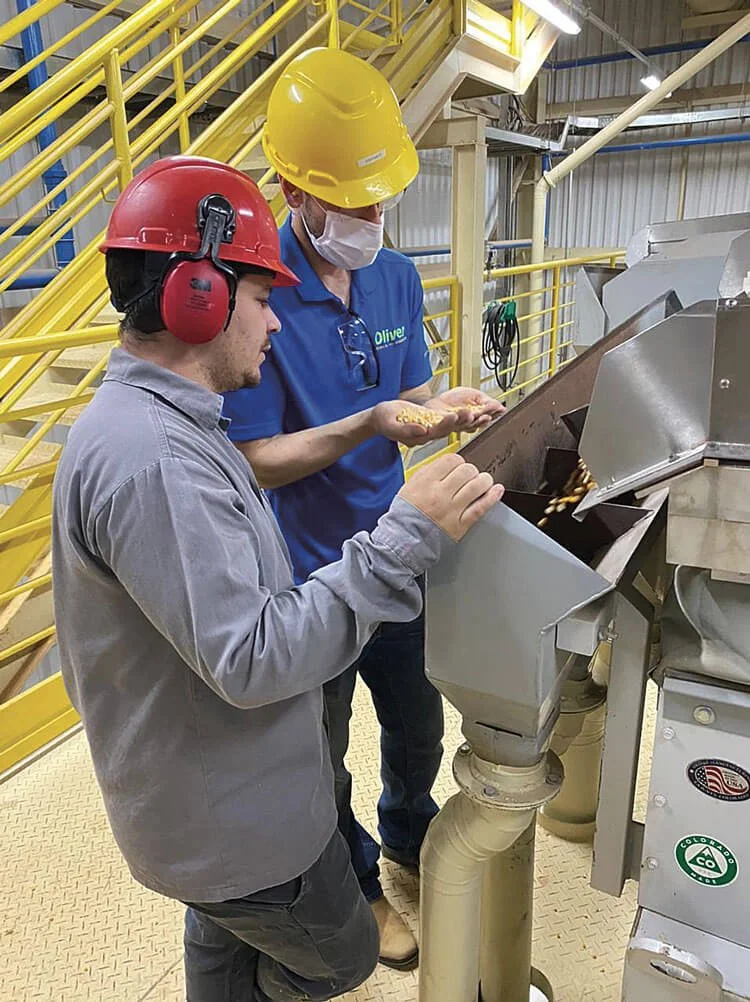
Oliver Manufacturing provides parts, maintenance, troubleshooting, refurbishing, training, and technical support for Oliver processing equipment. From routine preventive maintenance and replacement parts to operator training and comprehensive equipment refurbishment, our team helps processors keep equipment performing reliably throughout its service life.
Your Oliver machine is the lifeblood of your processing operation. We keep detailed records on nearly every Oliver ever built, which means we’re your best resource to repair, maintain, and upgrade your equipment. Our engineering and manufacturing teams can service machines far outside the warranty period.
Genuine replacement parts from a large in-stock inventory, a fast order and shipping system, meaningful technical support and professional engineering and installation help from the best distributing dealers in the business. Many parts orders ship the same day.
We stand behind every Oliver gravity separator, sizer, destoner, and fluidized bed dryer no matter how old it is, whether in warranty or out.
Our equipment lasts for decades, and that’s attributed to quality engineering and construction. To keep your gravity separator or destoner operating at peak efficiency, it still requires regular machine maintenance.
It’s a great idea to perform equipment maintenance prior to the start or at the conclusion of processing season to make certain that your equipment is ready to deliver when you need it the most.
Oliver has the resources to do just that:
• In-shop or on-site options
• Seasonal maintenance plans
• Online & phone support
• Full line of equipment
• Operating specifications
• Manuals & instructions
-
Automation refit
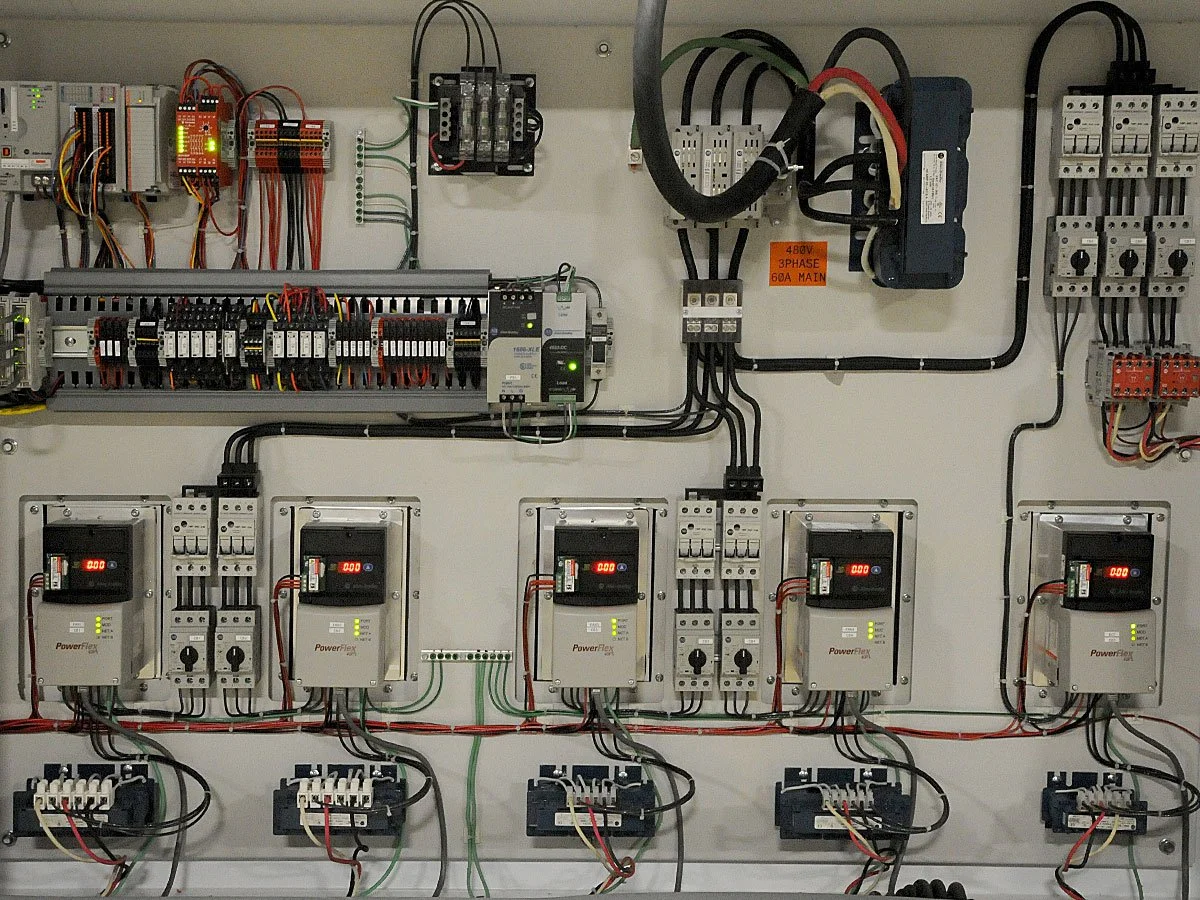
Oliver’s factory upgrade kit* brings full automation to gravity table adjustment, operation, and cleanout. Programmable logic controls, electronic controls, and hydraulic sensors provide greater precision and repeatability, helping operators maintain consistent separator settings and performance from run to run.
-
Refurbishing service
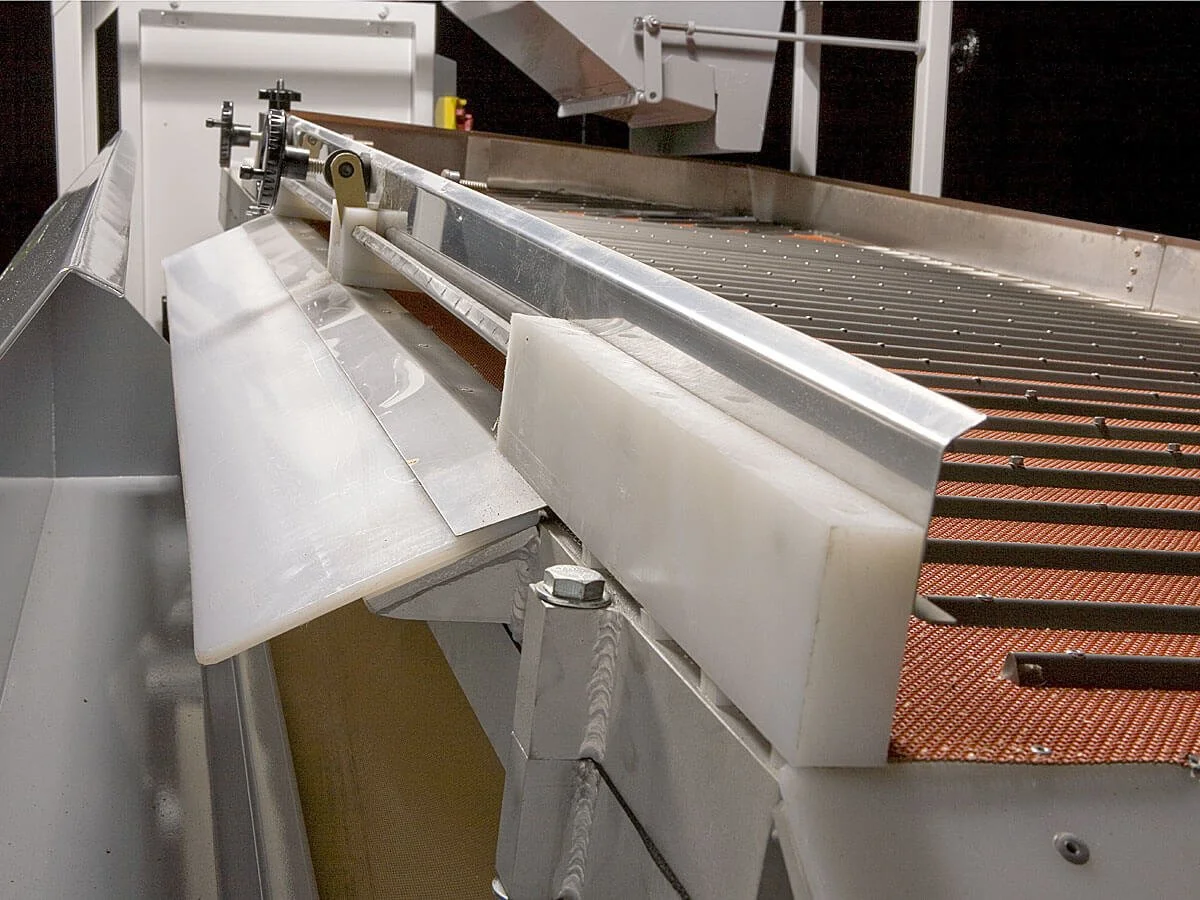
When your gravity separator or destoner carries the Oliver name, you can expect decades of reliable, durable performance. As components wear, the same skilled technicians who build new Oliver equipment can remanufacture or replace worn parts, restoring your machine to dependable, factory-level performance.
-

Training & education
Equipment often serves multiple generations, but the knowledge needed to operate it effectively can fade over time. Employee turnover and seasonal staffing compound the problem, causing maintenance, best practices, and settings to vary between operators—costing you time, productivity, and profit.
Frequently asked questions about Oliver equipment
-
A coated overcover provides additional traction to help control and move product down the gravity separator deck. The coating also helps protect the overcover from wear, extending its service life compared with plain steel.
-
Dual Lock provides a stronger, more durable connection than traditional hook-and-loop Velcro. Unlike Velcro, which can collect dirt and lose holding strength over time, Dual Lock locks to itself and can be repeatedly connected and disconnected with minimal wear.
-
A pillow block bearing, sometimes called a saddle bearing, supports and holds a rotating shaft in position. A take-up bearing allows adjustment of the shaft position to maintain proper alignment or tension and accommodate movement within the machine.
-
Poor product flow on a gravity separator can be caused by an eccentric drive problem, clogged undercover, blinded overcover, insufficient airflow, or another mechanical issue. Check the deck coverings, airflow, eccentric drive, and machine mechanics when diagnosing poor product movement.
-
Oliver gravity separators use food-grade hydraulic oil or transdraulic oil. The complete hydraulic system holds approximately three gallons of oil
-
Oliver equipment should generally be greased once a year or every 1,000–1,500 operating hours. Follow the maintenance recommendations for your specific machine and operating conditions.
-
A dust hood is recommended to improve operator safety and housekeeping around your gravity separator. It helps contain airborne dust and reduces buildup that can clog external filters, screens, and surrounding equipment.
-
Clean gravity separator filters with a shop vacuum and use compressed air to clean material from the deck while the machine is running. Regular cleaning helps maintain proper airflow and consistent separation performance.
-
Riffles help control product movement across a gravity separator deck. They help direct heavier, desirable product toward the appropriate discharge area while slowing material that would otherwise travel too quickly down and off the deck.
-
Determine the handing of an Oliver gravity separator while standing at the discharge end of the machine. The side where the heavy product discharges identifies the machine's hand.
-
A counterbalance reduces machine vibration and shaking during gravity separator operation. By balancing the machine's reciprocating motion, it allows the eccentric drive to operate more smoothly and helps provide stable, consistent performance.
-
Oliver Platinum Series equipment provides greater automation, precision, and operator control. Features include remote service support, improved adjustment controls, saved machine settings, programmable recipes, and communication capabilities for integration with plant operations.
-
A typical Oliver gravity separator operates between approximately 480 and 520 RPM. The ideal operating speed can vary depending on the machine, product, and processing conditions, so operators should adjust the machine based on separation performance and the recommendations for their specific model.
Gravity separator technical support
Gravity separator premium cabinet upgrade

Gravity separator maintenance

Give your Oliver a new beginning
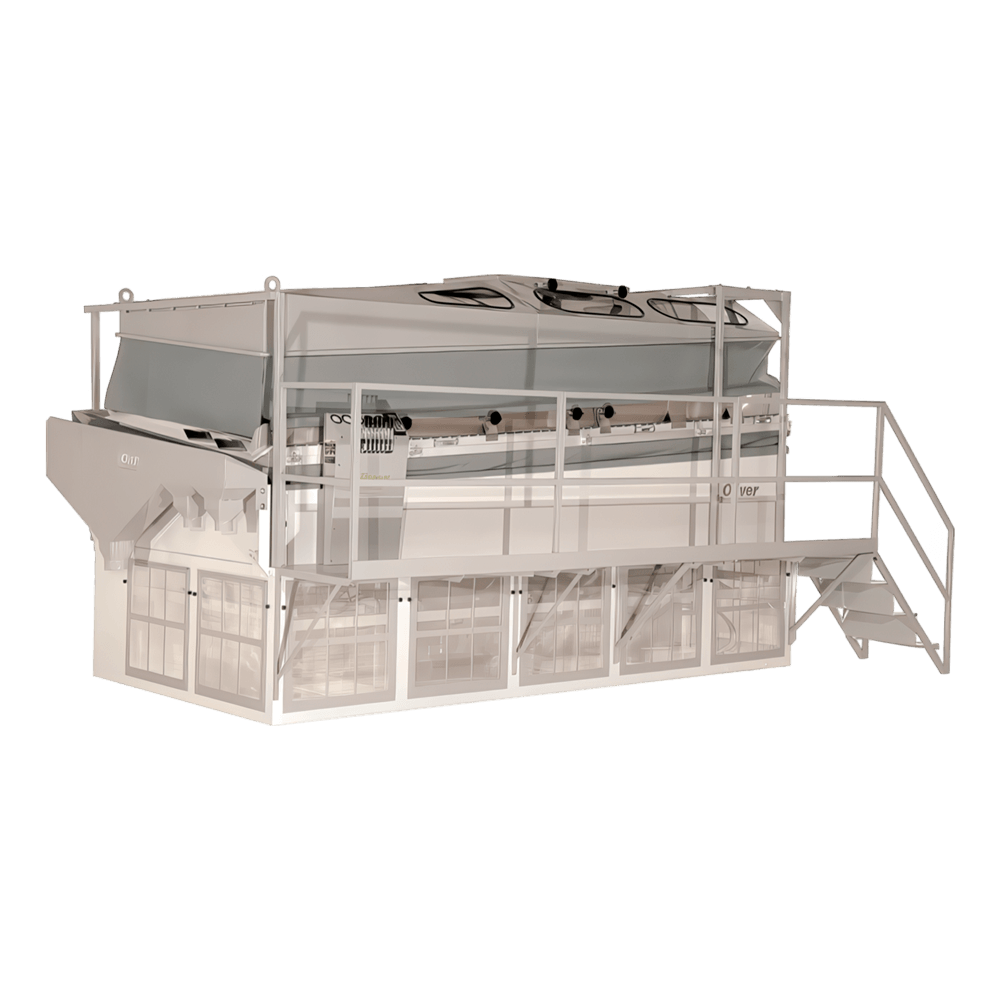
Your Oliver may have years—or decades—of productive life left. Talk with the Oliver service team about your machine’s condition, current performance, and available refurbishment options. We’ll help determine whether repair, refurbishment, upgrades, or replacement makes the most sense for your operation.