Destoners for seed, grain, food, and material processing
Remove stones, glass, metal, and contaminants from granular materials
What is a destoner
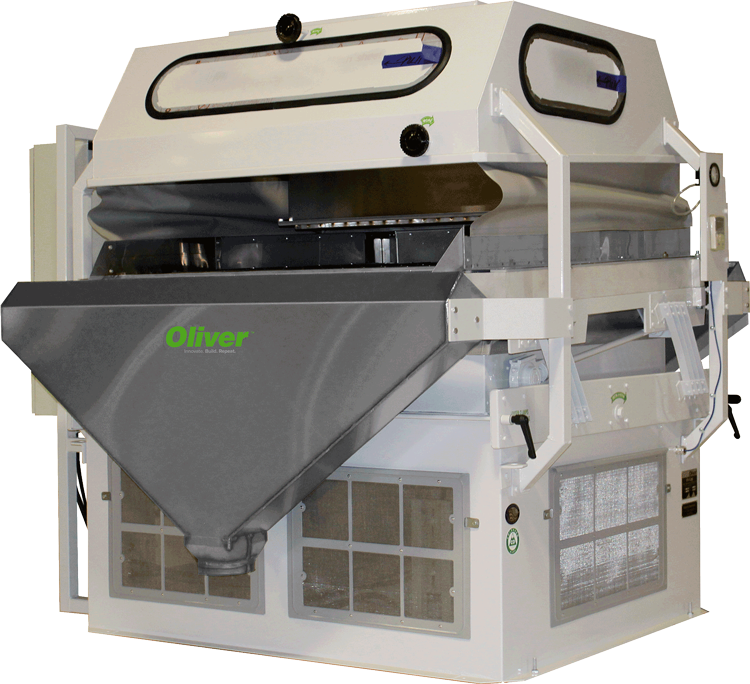
Seed destoner machines are a specific type of dry separation equipment. As the name implies, they can remove small amounts of heavy contaminants like stones from rice, wheat, coffee, beans, grains, seeds, and other dry granular materials. For companies that commercially produce these kinds of products, a destoner is an essential piece of equipment. In addition to stones, destoner machines for wheat can also effectively remove glass, metals, and other similarly sized items from a stream of dry materials.
Destoner uses
Destoners, including grain destoner machines, are commonly used as machinery for food processing industries to separate rocks, twigs, small plastics, and other impurities that have gotten mixed in with coffee beans, but they have a number of other applications. They’ll prove to be an especially useful piece of equipment for seed cleaning companies, as they help ensure a quality product that is free of unwanted heavier particles and contaminants. Destoners are also used in the milling industry, seed sector, and recycling.
Destoners can be used alongside gravity separators to ensure a product has higher quality and is free of heavier contaminants and impurities, small or large. They’ll be just as effective regardless of if they are used ahead of or after a gravity separator in a processing line.
Three solutions. One standard of destoning.
-
Hi-Cap Destoners
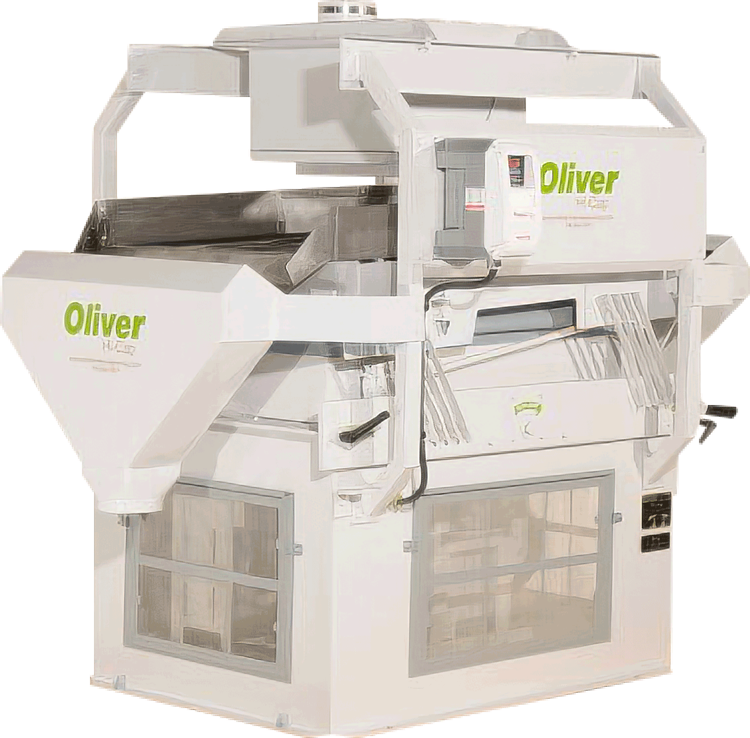
The Oliver Manufacturing Hi-Cap Destoner uses gravity and controlled airflow to remove heavy contaminants from lighter materials such as seeds, grains, coffee beans, nuts, and other recycling materials. Its adjustable fans, deck tilt, and feed rate controls improve separation accuracy, reduce product loss, and protect downstream equipment.
-
Maxi-Cap Destoners
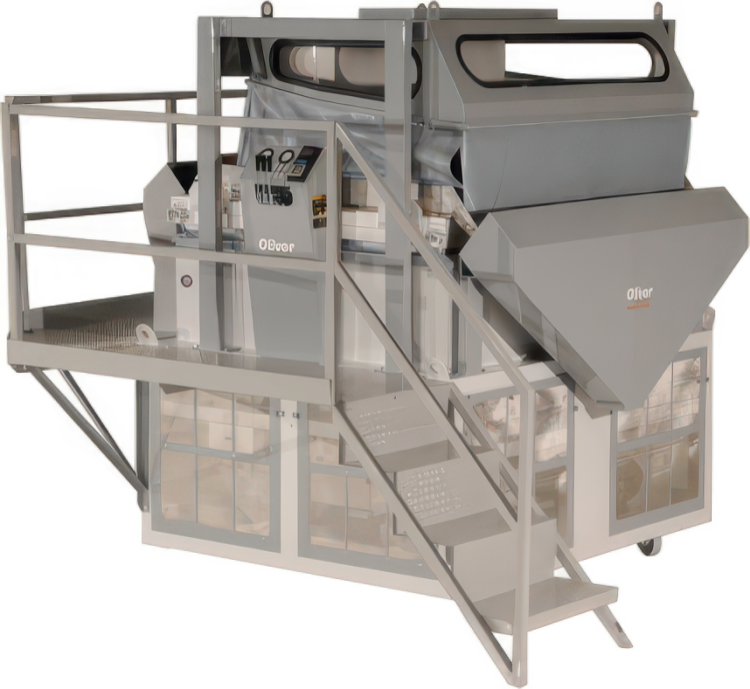
The Oliver Manufacturing Maxi-Cap Destoner is available in Standard and Platinum models, giving processors the flexibility to choose the features and performance level that best fits their operation. Designed to remove stone, glass, metal, and sand from industrial materials, plastics, lumber products, and agricultural goods. The Maxi-Cap Destoner offers the highest processing capacity of any Oliver Destoner, making it ideal for high volume operations.
-
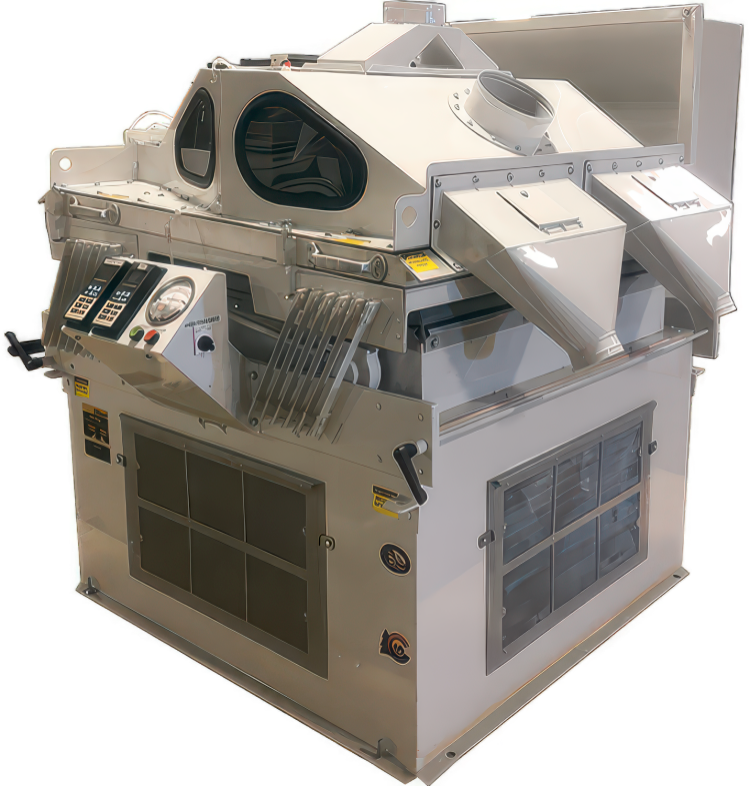
N-Series Destoners
The Oliver Manufacturing N-Series Hi-Cap Industrial Separator delivers exceptional heavy-particle separation with a fully sealed deck design that helps contain material and reduce dust emissions. Optimized series fans, precision air sealing, and advanced under-deck airflow control provide consistent, high-capacity performance across a wide range of materials.
How do Oliver Manufacturing destoners work?
Our seed destoner machines can separate and remove stones, glass, metals, and other small amounts of unwanted materials using a fluidized bed of air and a vibrating deck that has been tilted – the same principles that apply to gravity separation. Products get fed into the deck and are then fluidized by bursts of pressured air that is blown up from underneath the bed. Lighter particles are blown up higher than heavier particles, and the downward tilt and vibrating motion of the deck allow them to flow to the bottom of the deck. Heavier particles – the stones, glass, metal, and other contaminants – are moved up.
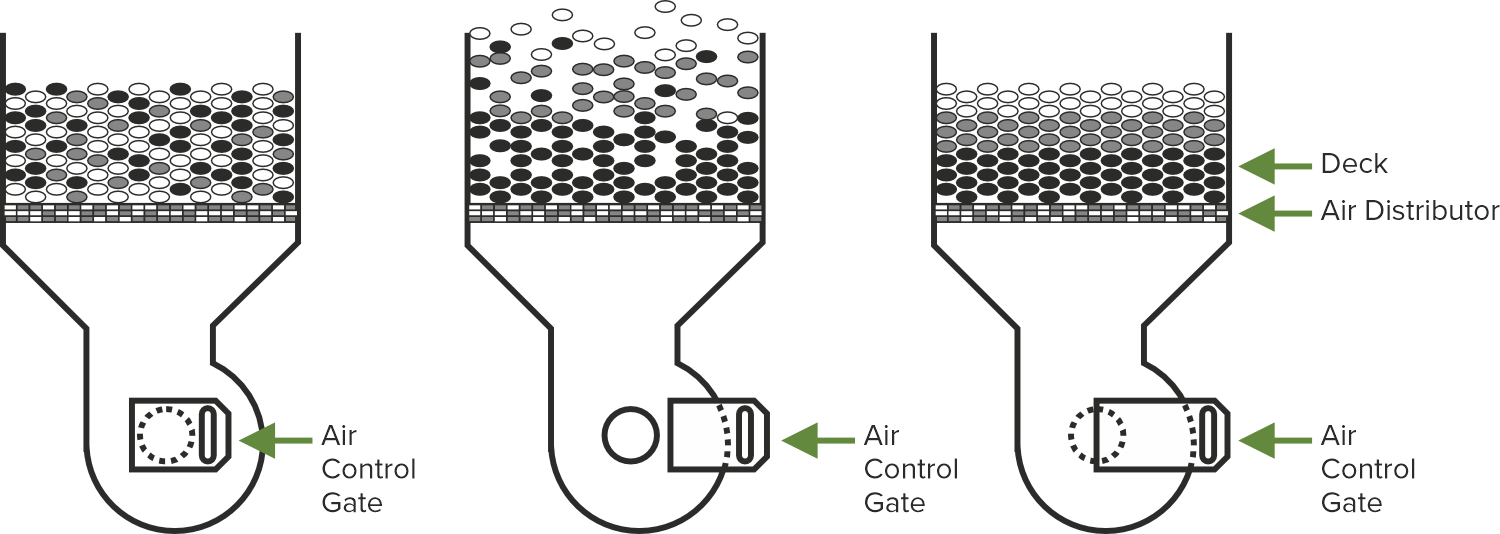
Airflow is the separating medium in the stratification process. With the fans off, particles rest together on the screen deck. When properly regulated air is introduced, heavier particles settle against the deck while lighter particles rise. Excess airflow can over-lift and blend the material, reducing separation accuracy.
Frequently asked questions about Oliver destoners
-
10% or less of overall incoming material.
-
If the material is similar in particle size and differs in density, then it can be removed.
The dirt clods, mud balls, and stones must be heavier than the seed. Sometimes, dirt clod and mud balls have a ferrous content where magnetic belt separator can be affective.
-
Two-way separation between heavy particles and light particles.
-
Heavy materials will naturally flow to the heavy discharge, when you notice the larger particles flowing off the deck with the clean product this in an indication to bleed off the heavy discharge.
-
Yes, we offer our platinum package for our Maxi-Cap Platinum Destoner series.
-
Yes, Oliver dryers can be used for both pelletizing and encrustment applications. However, proper it sizing is especially important because these processes typically add more moisture to the seed than the standard treatment applications.
For these applications, the mid-gate and end-gate can be used to retain the seed to obtain a longer drying duration, allowing time for effective moisture removal.
We typically recommend the DVX Dryer because its mid-gate and end gate configuration provides the additional control and retention time need to effectively dry pellets or encrustments.
The gravity separator
Introduction to Oliver’s platinum line of separators
Oliver Manufacturing gravity separators
Ready to upgrade your seed processing?
Contact our team for a personalized consultation and equipment recommendation