Automation refit
Precision density separation for cleaner, more consistent product
What is a gravity separator
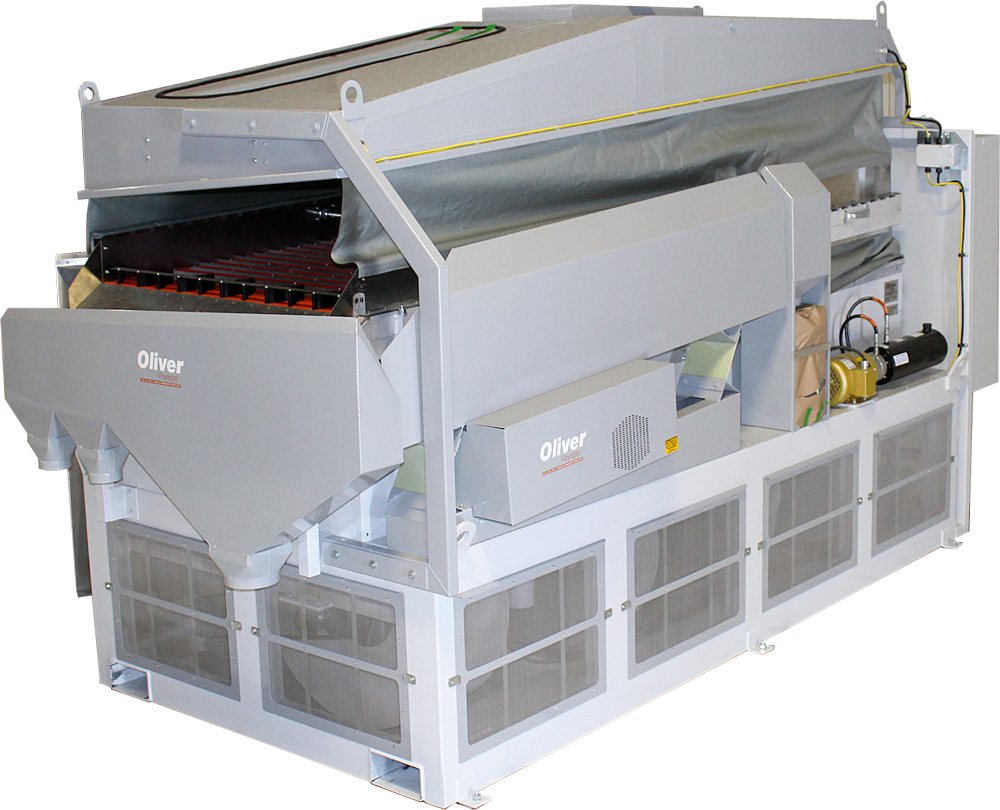
Gravity separators is a type of dry separation machinery used for the seed cleaning equipment, industrial food processing equipment, and industrial recycling equipment industries. They can process a complex mixture of dry materials and separate the different individual particles depending on their density, resulting in a continuous gradation across a range of different densities. Seed gravity separators are also commonly referred to as gravity tables, density separators, and air tables.
Gravity separator uses
While they are most often used for seed and grain operations, seed gravity separators, or gravity table separators, have a variety of applications. Olivers separators can be used to separate seed, grain, beans, sand, coal, cork, chemicals, and dry bulk materials. They’re an essential piece of equipment for any industry that processes a lot of dry materials every day.
Four solutions. One standard of separation.
-
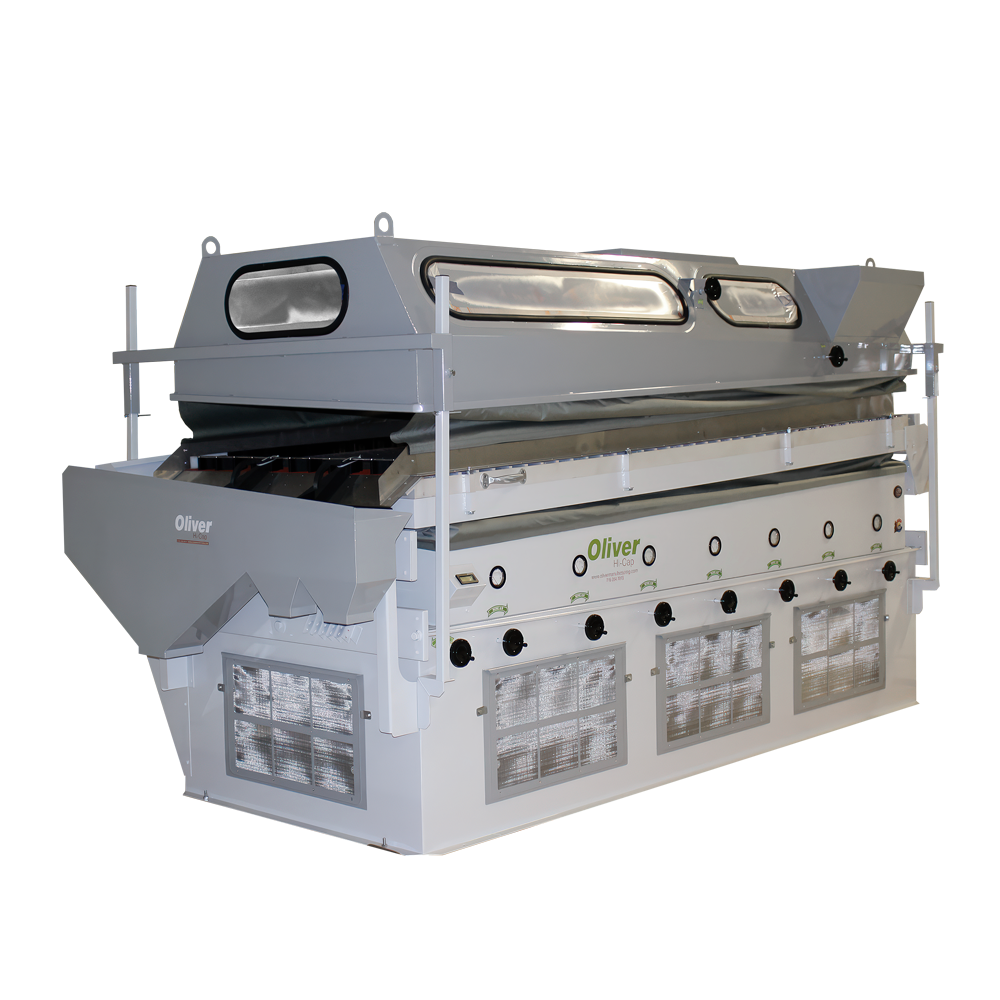
Hi-Cap Separators
High-capacity systems clean and sort wheat, corn, barley, and other grains. Improve throughput, consistency, and final product quality across demanding processing operations.
-
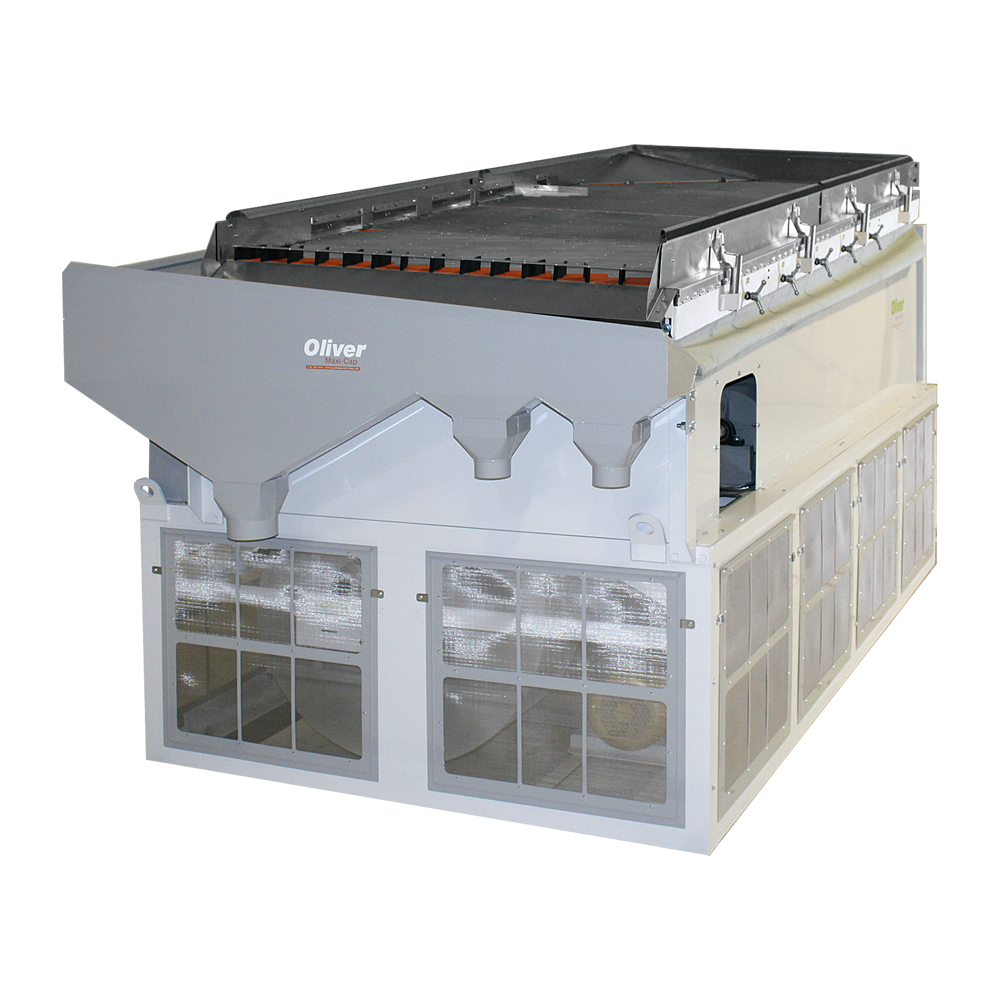
Maxi-Cap Separators
Precision equipment handles small, delicate seeds without damaging viability or quality. Achieve uniform sizing, cleaner batches, and higher market-ready yield every run.
-
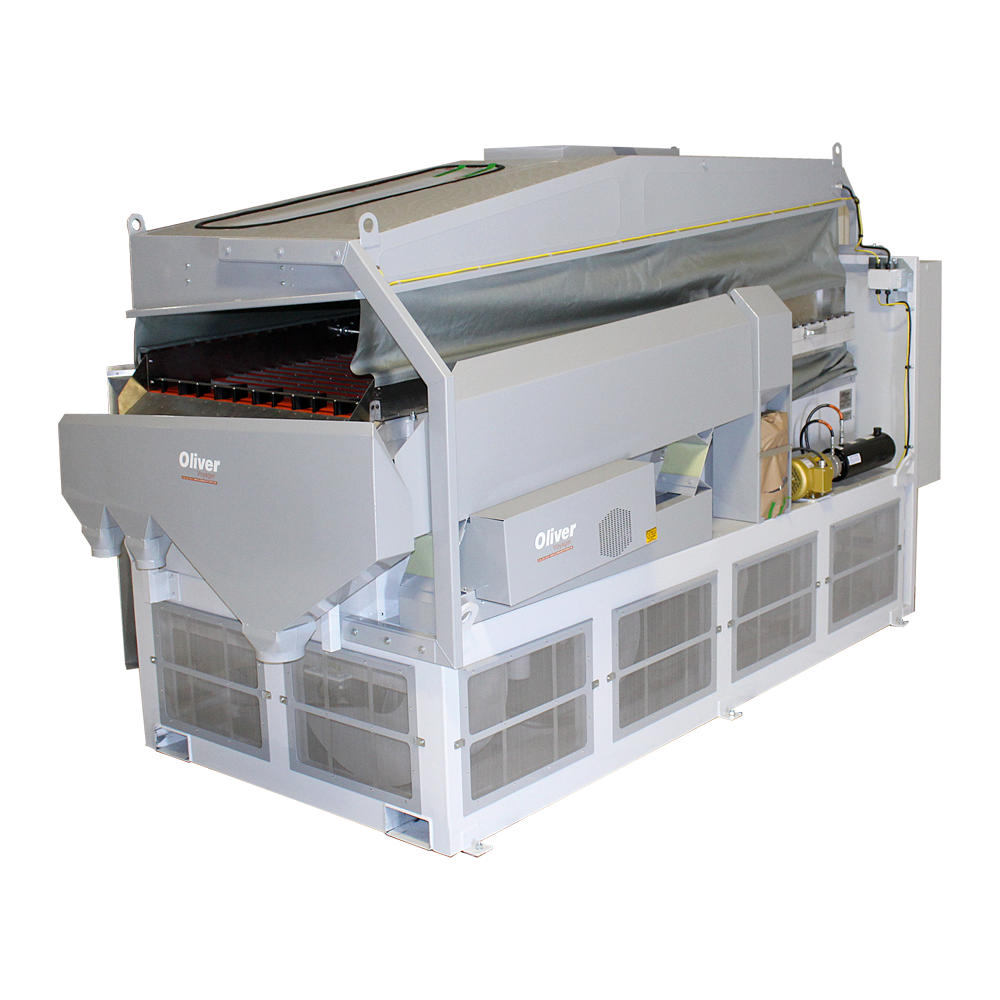
Voyager Separators
Gentle handling systems process fine, lightweight flower seeds with consistent accuracy. Maintain seed integrity while improving purity and overall batch uniformity.
-
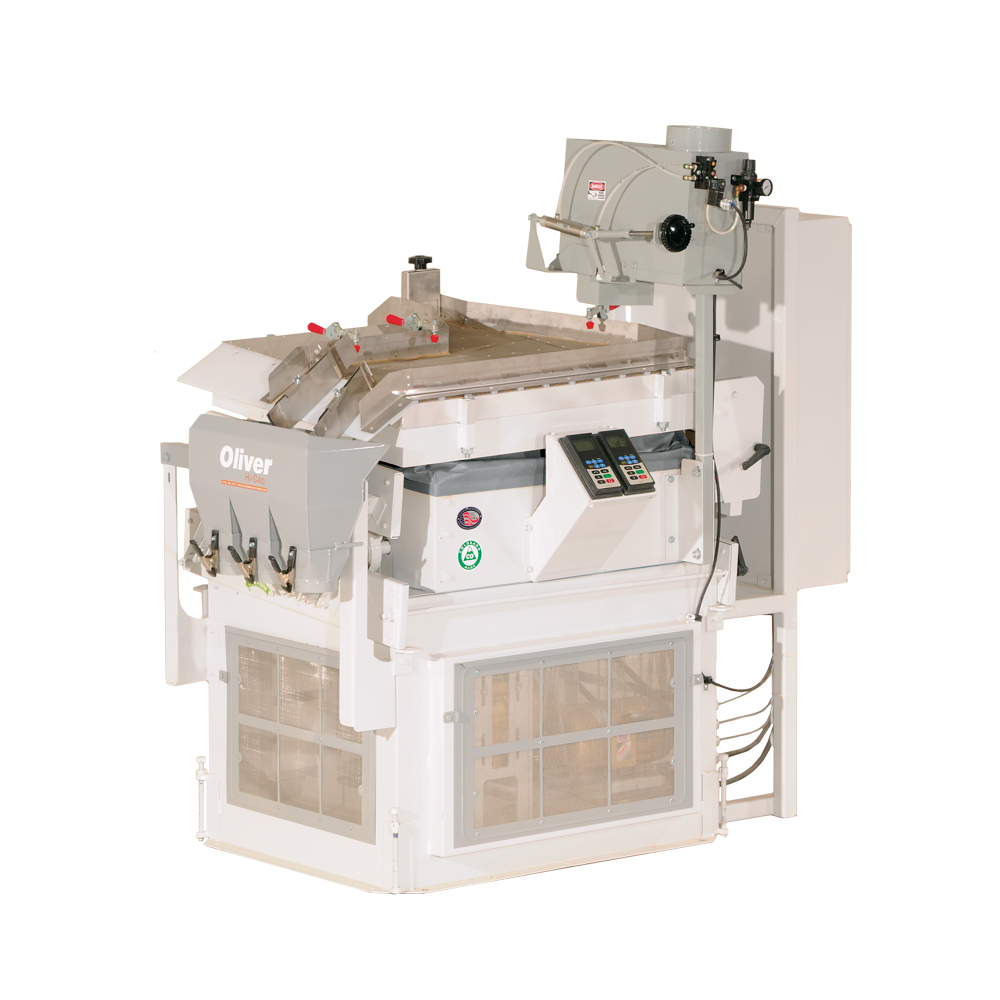
Laboratory Separators
Efficient cleaning systems remove impurities from sunflower, canola, and soybean crops. Increase oil yield potential and ensure consistent quality for further processing.
How do Oliver Manufacturing gravity separators work?
Oliver Manufacturing’s gravity separator machines, commonly called Oliver gravity tables, divide heavier particles of material from lighter particles differing in their specific densities. On gravity separators, lighter particles are moved upward through the fluidized bed, and heavier particles sink downward. This air essentially makes the particles weigh themselves. The deck itself is tilted uphill and quickly shifting in a perpendicular eccentric motion. This allows the lighter particles to flow over the top of the heavier particles to the bottom of the deck while heavier particles are driven up and over the top. This process allows our gravity separators to separate both light and heavy contaminants from a product simultaneously.
The air, eccentric motion, deck tilt, end raise, and feed rate on an Oliver gravity separator are easily modified and can retain adjustment settings for multiple products. Adjustments to the air, motion, and tilt affect the quality of the separation, while the end raises, and feed rate affects capacity.
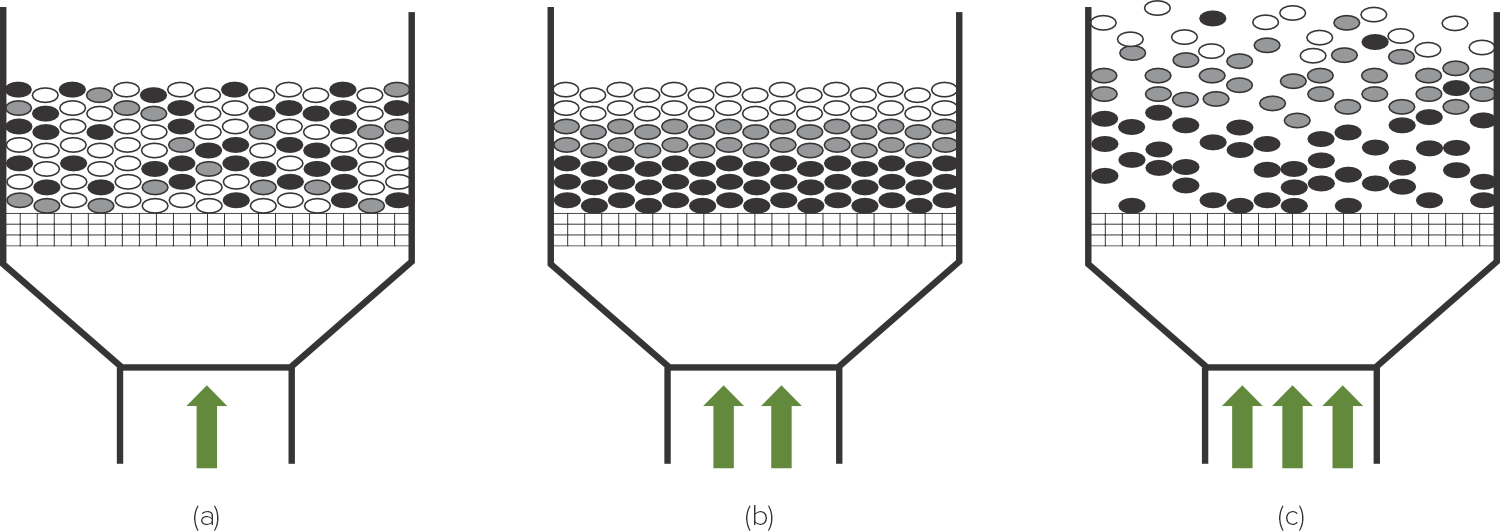
In the gravity separator stratification process, (a) shows mixed particles resting on the deck, (b) shows upward airflow fluidizing the material so lighter particles rise and heavier particles settle, and (c) shows air, deck tilt, and eccentric motion working together to separate particles by density.
The gravity separator
Premium cabinet upgrade
Introduction to Oliver’s platinum line of separators
Oliver Manufacturing gravity separators
Gravity technical support
Ready to upgrade your seed processing?
Contact our team for a personalized consultation and equipment recommendation