
Destoners
Remove stones, glass, metal, and contaminants from granular materials
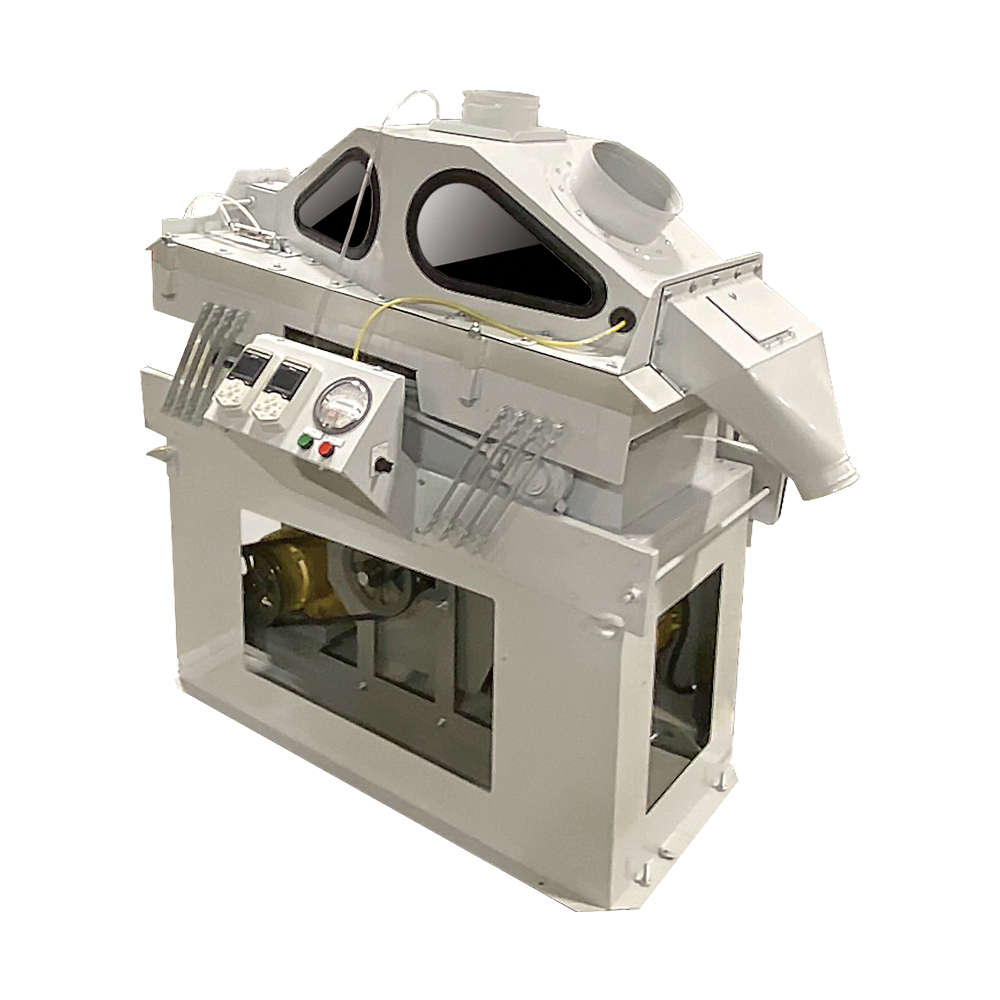
N-series destoner
Models: 2448N, 3648N, 4848N, 6048N
We engineered the Oliver N-Series Destoner to be different for the right reasons. The Nautilus Series introduces a new level of performance, control, and efficiency in destoning applications, with every feature developed collaboratively by Oliver engineers to improve daily operation and the working environment.
An enhanced air seal, integrated product inlet, and exhaust-air controls help reduce leakage and support a cleaner processing area. The redesigned discharge spout directs stones and other heavy contaminants away from the cleaned product stream, helping maintain separation accuracy and product quality.
Timed gate positioning, large viewing windows, and convenient access ports give operators the visibility and control needed to confidently adjust and fine-tune the machine for maximum efficiency. Intuitive controls and practical design improvements also simplify setup, operation, and routine maintenance.
The N-Series can also be retrofitted to many existing Oliver destoners. Depending on the machine, installation may be completed by an in-house maintenance team or coordinated through Oliver’s experienced service technicians.
Key features:
Processing up to 10,000 pounds per hour
Built-in fan system, variable frequency drive (VFD) control, Allen Bradley Interface Keypad (AB)
Adjustable tilt for accurate & consistent separation
Multi-fan system with independent fan dampening control
Independent gauges for side tilt, feed flow, air balance, and deck eccentric speed
All adjustments safely made while in operation
How do Oliver Manufacturing destoners work?
Our seed destoner machines can separate and remove stones, glass, metals, and other small amounts of unwanted materials using a fluidized bed of air and a vibrating deck that has been tilted – the same principles that apply to gravity separation. Products get fed into the deck and are then fluidized by bursts of pressured air that is blown up from underneath the bed. Lighter particles are blown up higher than heavier particles, and the downward tilt and vibrating motion of the deck allow them to flow to the bottom of the deck. Heavier particles – the stones, glass, metal, and other contaminants – are moved up.
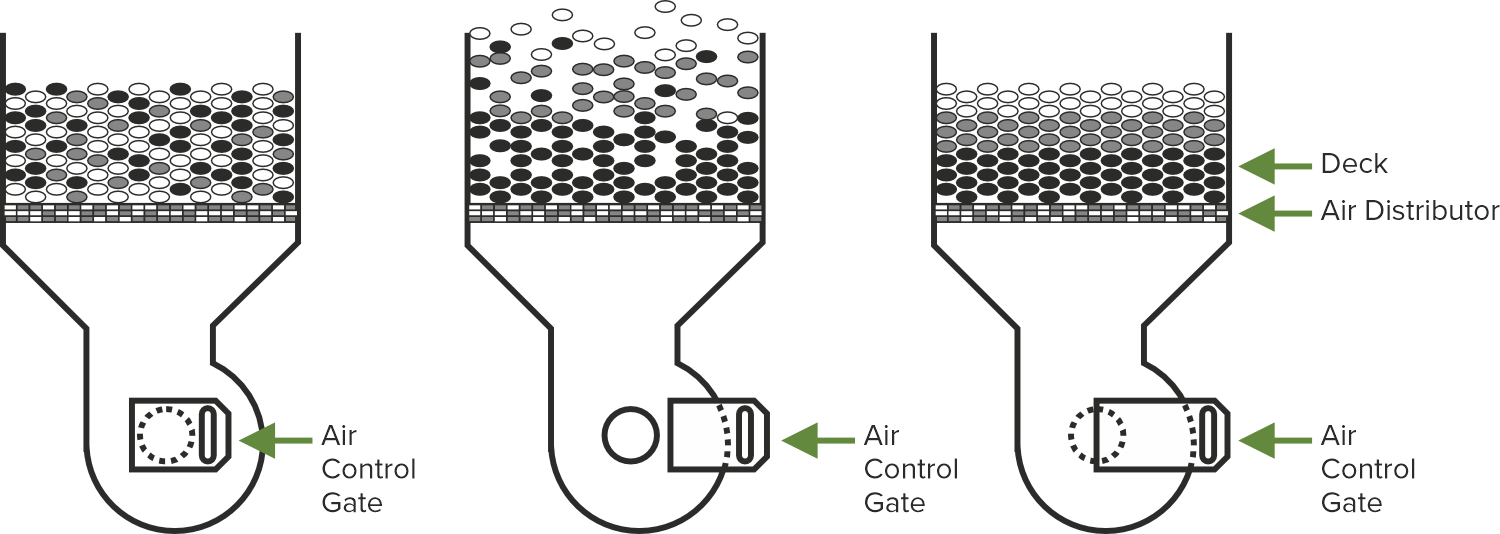
Airflow is the separating medium in the stratification process. With the fans off, particles rest together on the screen deck. When properly regulated air is introduced, heavier particles settle against the deck while lighter particles rise. Excess airflow can over-lift and blend the material, reducing separation accuracy.
Ready to upgrade your seed processing?
Contact our team for a personalized consultation and equipment recommendation