
Lessons we learn on site visits
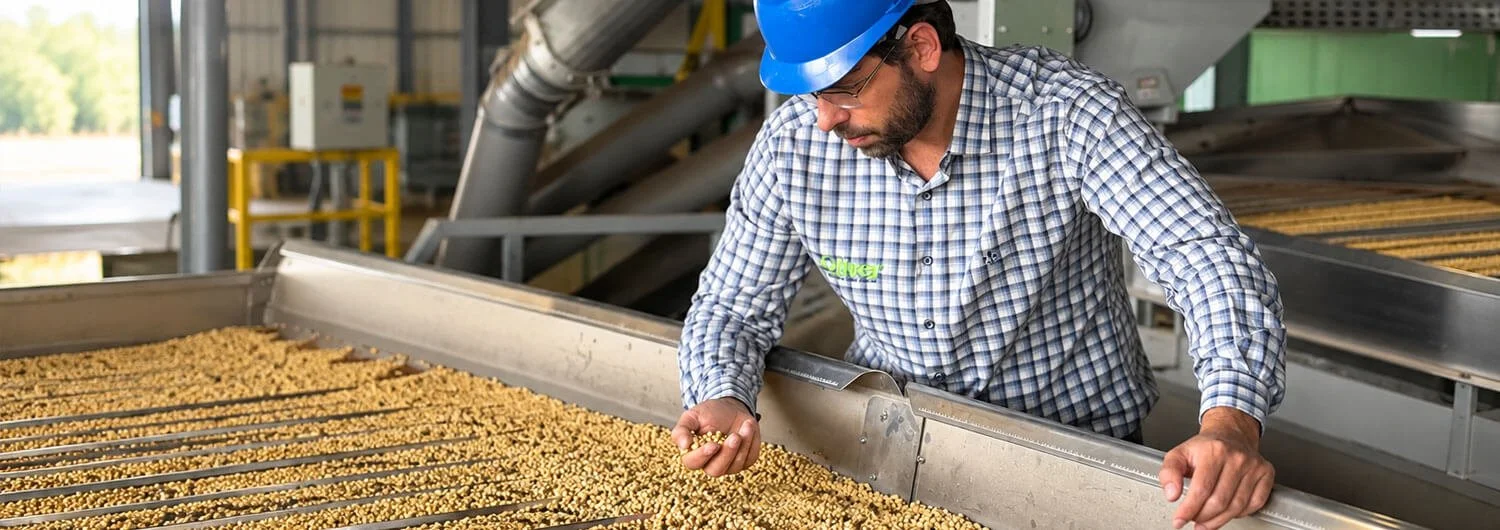
Every customer site tells a story—and some of the best lessons about seed processing equipment come from seeing it operate in the field.
We sat down with Troy Jackson, Oliver Regional Territory Manager, to talk about what he’s learned working alongside seed processors across the country. From gravity separator airflow and deck maintenance to bearing lubrication and operator training, Troy has seen firsthand how small adjustments and routine maintenance can make a meaningful difference in equipment performance and product quality.
What is the most valuable lesson you’ve learned by being onsite at a customer facility?
Nothing can replace the value of an in-person connection. You can learn a lot over the phone, but it’s different when you can see the equipment operating, talk directly with the people running it, and understand the customer’s entire seed processing operation.
Many times, the issue described by a customer isn’t what we ultimately find when we’re onsite. Seeing the equipment and product firsthand helps us better understand what’s actually happening and identify the right solution.
What is one of the most overlooked maintenance issues with Oliver equipment?
Deck overcover maintenance—especially allowing a worn deck to stay in service too long.
It can be easy to overlook because the gravity separator continues to run, but a worn overcover can reduce separation performance and product quality before it visibly fails. Regular inspection and preventive maintenance can make a significant difference in both equipment performance and the quality of the finished product.
What’s one gravity separator or destoner operating tip every customer should know?
Less air is often your friend.
Whether you’re operating a gravity separator or destoner, too much air is one of the most common mistakes we see in the field. Rather than making a large adjustment, start with less air and make small, incremental changes until you achieve the separation you’re looking for.
Small adjustments make it easier to see how the product responds and dial in the equipment for the specific material you’re processing.
What has been your most rewarding type of customer visit?
Operator training sessions are probably the most rewarding.
There’s something satisfying about watching an operator gain confidence in the equipment and then immediately apply what they’ve learned to improve their product. You can see the moment when they understand not only which adjustment to make, but why they’re making it.
Those “aha” moments are one of the best parts of working directly with customers.
What recurring maintenance problem do you see that could often be prevented?
Greasing bearings—We see both ends of the spectrum—bearings that have been over-greased and bearings that have rarely, if ever, been greased. Proper bearing lubrication is a basic part of preventive maintenance, but it can have a significant effect on equipment reliability and service life.
Follow the recommended lubrication schedule for your specific Oliver equipment and operating conditions.
Better seed processing starts with understanding your equipment
Troy’s experience in the field reinforces something we see throughout the seed processing industry: getting the best performance from your equipment isn’t always about making a major change. Regular maintenance, thoughtful adjustments, proper operator training, and understanding how your product responds to the equipment can all improve separation performance and help prevent avoidable problems.
Oliver’s sales and service teams work directly with processors to help evaluate applications, troubleshoot equipment, train operators, and identify opportunities to improve processing performance.
Need help getting more from your seed processing equipment?
Talk with an Oliver expert →