
Keep your Oliver equipment parts current
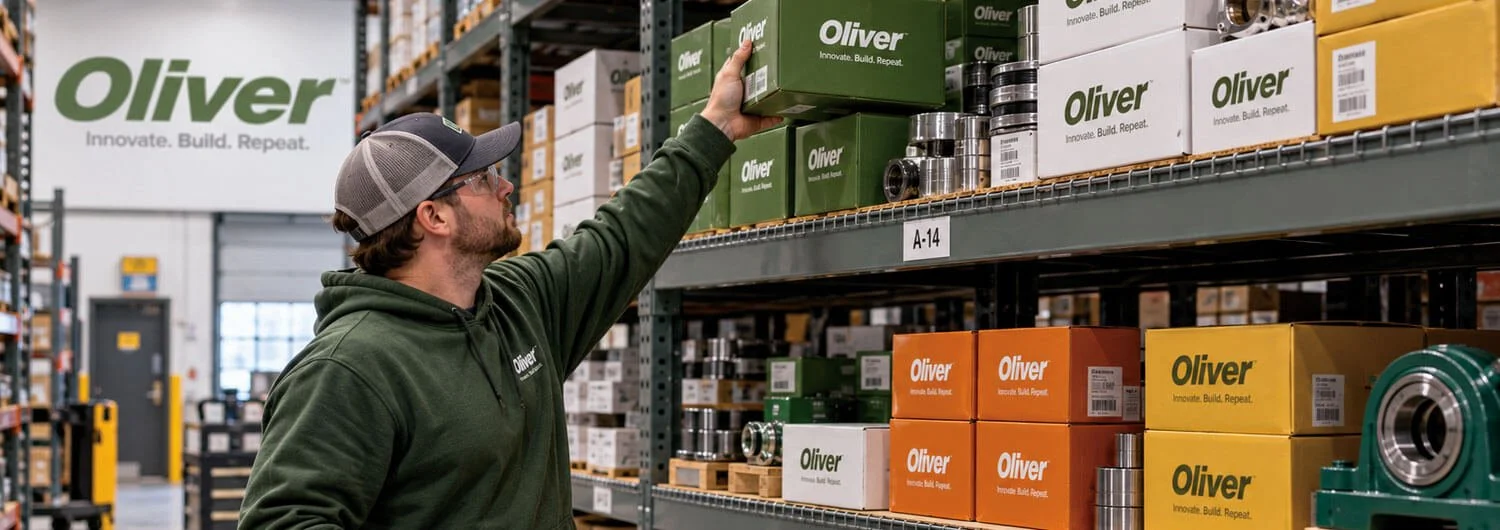
Keeping the parts and electronic components in your Oliver equipment current can help prevent unexpected downtime and maintain reliable performance. Whether you operate an Oliver gravity separator, destoner, sizer, or dryer, mechanical parts wear with use, while electronic components such as HMIs and variable frequency drives (VFDs) can eventually become obsolete or reach the end of their manufacturer-supported lifecycle.
Knowing which parts to keep on hand—and which aging components to monitor—can help you plan replacements before they interrupt production.
Know which equipment parts wear over time
Parts don’t last forever. Normal operation causes wear to components throughout seed and material processing equipment, making regular inspection and timely replacement an important part of keeping your operation running reliably.
Oliver gravity separators, destoners, sizers, and dryers each have components that should be routinely inspected for wear. Some parts are replaced frequently enough that it makes sense to keep them in your facility’s parts inventory.
Oliver maintains a list of frequently replaced parts that can help you determine which components to keep on hand.
Having commonly needed replacement parts available before you need them can reduce downtime and help keep production moving when normal wear becomes a repair.
Watch the lifecycle of electronic components
Mechanical wear isn’t the only reason a component may need to be replaced. The electronic controls used throughout processing equipment have product lifecycles of their own. Manufacturers eventually discontinue older drives, controls, interfaces, and other electronic components as newer technology becomes available.
That matters even when the existing component is still working.
Waiting until an obsolete electronic component fails can turn a planned upgrade into unplanned downtime. Reviewing the lifecycle status of electronics throughout your Oliver equipment gives you time to identify the appropriate replacement, order the component, and schedule installation before a failure affects production.
You can check the lifecycle status of Rockwell Automation products to determine whether components are active, approaching end of life, or discontinued.
Check Rockwell product lifecycle status
Replacement options for aging components
Depending on the model and configuration of your Oliver equipment, you may find older components that now have newer replacement options.
Aging componentReplacementAllen-Bradley C600 PanelViewC800 7-inch HMIPowerFlex 40 or 40PPowerFlex 525DT8 tachometerAutonics LR5NStandard-thread air gate rodAcme-threaded rod
Because component requirements vary among equipment models and configurations, contact Oliver Parts & Service if you’re unsure which component is installed on your machine or which replacement is appropriate.
What to know before replacing a PowerFlex 40
PowerFlex 40 drives were produced in several configurations. Before contacting an Oliver service technician about a replacement, locate the label on your VFD and record its voltage and horsepower. Oliver will need this information to help identify the appropriate replacement drive for your equipment. You can also use Rockwell Automation’s product lifecycle information to check the current status of your VFD.
Make parts and electronics review part of annual maintenance
A parts review shouldn’t begin when something stops working. Make wear-part inspection and electronic component lifecycle review part of your annual equipment maintenance routine across your Oliver gravity separators, destoners, sizers, and dryers.
If a VFD, HMI, or other electronic component is approaching end-of-life status or has been discontinued, planning its replacement before failure gives you more control over timing and helps reduce the risk of unexpected production downtime.
The Oliver Parts & Service team can help identify the correct replacement parts for your equipment, determine appropriate upgrades for aging components, and coordinate service and installation when needed.